Roofing jobs generate heavy, bulky debris fast. Here's how to choose the right dumpster size, manage weight, and keep your crew moving.
Why Roofing Jobs Need the Right Dumpster
Roofing tear-offs generate a lot of debris in a short time. A typical residential roof produces 3-6 cubic yards of shingle debris per square (100 sq ft), and most jobs are 15-40 squares. That means you need a dumpster that can handle 4-12+ cubic yards of heavy material — delivered and picked up on your schedule.
Choosing the wrong size means swap-outs mid-job (costing time and money) or weight overages (costing extra fees). Here's how to get it right.
Sizing for Roofing Projects
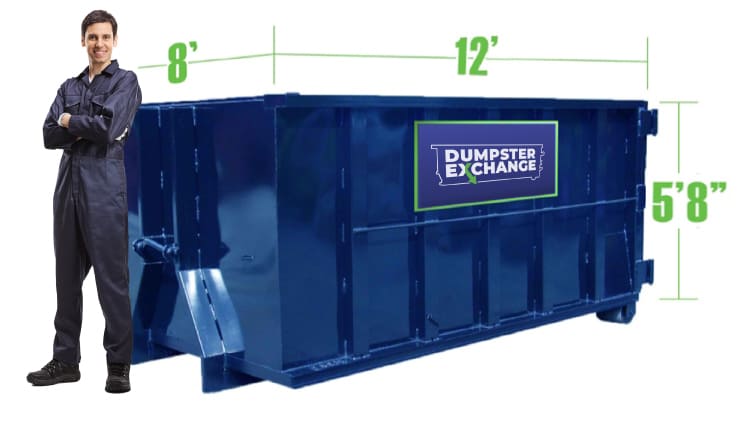
10-Yard: Best for small roofs up to 20 squares. Holds about 3 tons of shingle debris — enough for a garage or small addition. The 10-yard is ideal for heavy materials because it keeps the weight within limits.
20-Yard: Best for medium roofs, 20-35 squares. The most popular roofing dumpster — handles a standard two-story home tear-off in one container.
30-Yard: Best for large roofs, 35+ squares, or when you're tearing off multiple layers. The 30-yard gives you maximum volume, but watch the weight — shingles are heavy, and a full 30-yard of shingles may exceed weight limits.
Weight Considerations for Shingles
Asphalt shingles weigh about 250-400 lbs per square (100 sq ft), depending on whether they're 3-tab or architectural. A 30-square roof tear-off produces roughly 7,500-12,000 lbs of shingle debris alone — before underlayment, flashing, and wood.
Each dumpster includes a weight allowance (1 ton for 10-yard, 2 tons for 20-yard, 3 tons for 30-yard). If you're doing a large tear-off, let us know so we can help you plan for potential weight overages or schedule a swap-out before the dumpster gets too heavy.
Placement Tips for Roofing Crews
Place the dumpster as close to the house as possible — ideally under a second-story window or near the tear-off area so crews can toss debris directly from the roof. This saves time and reduces the risk of damage to your landscaping.
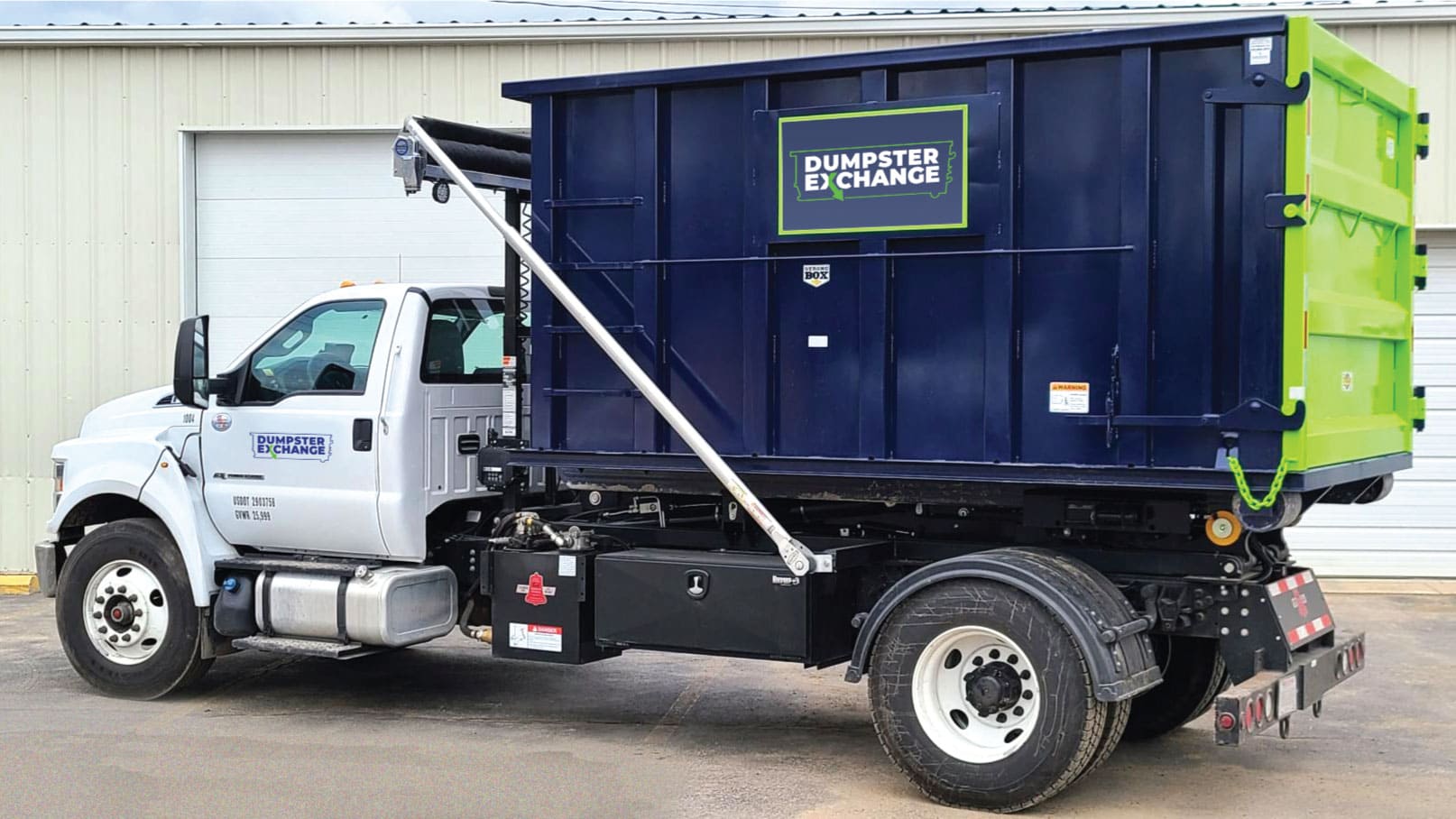
Make sure there's at least 20 feet of vertical clearance above the dumpster for the delivery truck's hydraulic arm. Avoid placing under power lines, tree branches, or roof eaves. If the driveway is steep or narrow, let us know — we'll help you find the best placement.
Scheduling Swap-Outs for Big Jobs
For large roofing jobs, you may need a dumpster swap-out — we pick up your full dumpster and drop an empty one so your crew can keep working without stopping. Schedule swaps in advance so we can have a truck ready when you call.
Many roofing contractors book two dumpsters upfront for big jobs: one delivered at the start, and one scheduled for swap-out mid-way through. This keeps the crew productive and avoids downtime waiting for a fresh dumpster.