A little preparation goes a long way. Here's everything you need to do before your dumpster arrives to ensure smooth delivery.
Choose the Right Placement Spot
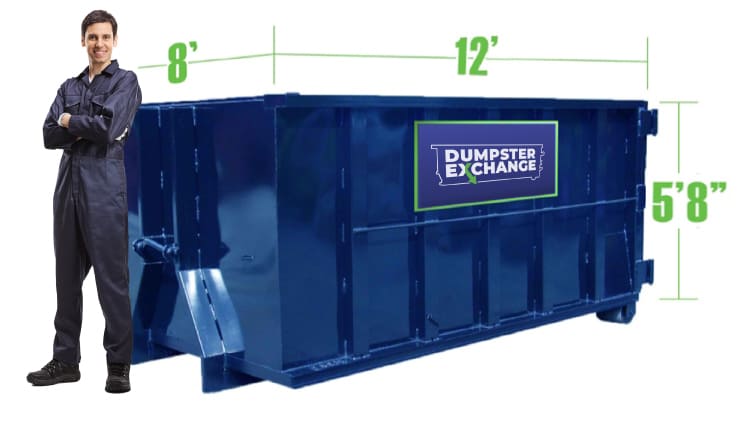
The most popular spot for a dumpster is the driveway — it's close to the house, accessible, and usually has a solid surface. Make sure the area is at least 10 feet wide and 25 feet long (for a 20 or 30-yard) to accommodate the dumpster and the delivery truck.
If a driveway won't work, consider a side yard, street placement (check permit requirements), or a parking lot for commercial jobs. Avoid placing dumpsters under low power lines, tree branches, or roof eaves — the truck needs vertical clearance to drop the dumpster.
Clear the Area
Remove cars, boats, trailers, and trash cans from the delivery area. Move potted plants, garden hoses, and lawn furniture away from the drop zone. The delivery truck needs a clear path to back in and place the dumpster precisely.
If it rained recently or the ground is soft, let us know — we may recommend placing plywood under the dumpster to prevent sinking or driveway damage, especially with heavier 30-yard dumpsters.
Check for Overhead Obstructions
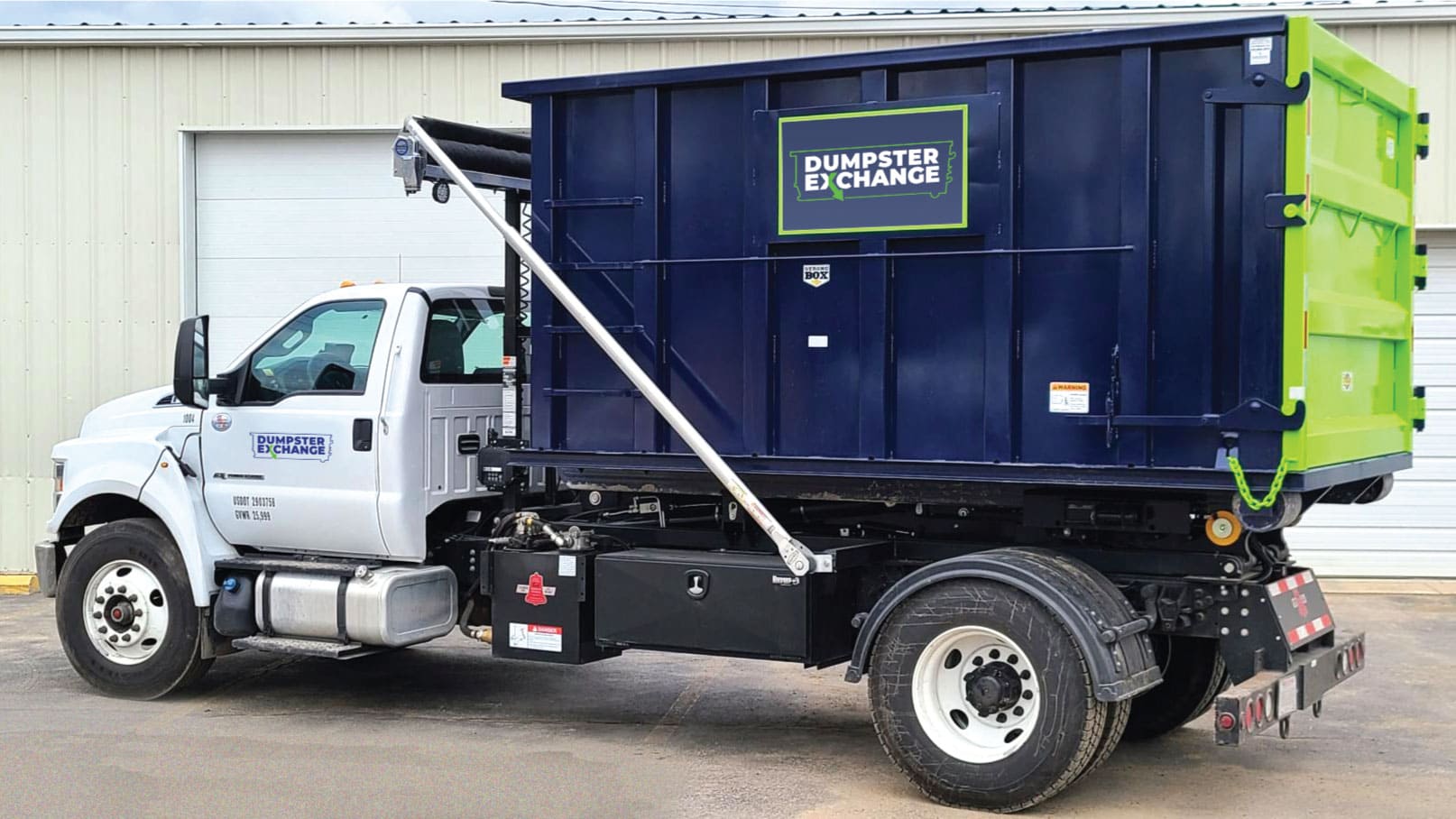
Our delivery trucks use a hydraulic arm to lift and place dumpsters, which extends upward. Low-hanging power lines, telephone lines, tree branches, and awnings can all interfere with delivery.
Make sure there's at least 20 feet of vertical clearance above the delivery spot. If you're not sure, measure or look for the utility lines — the truck operator will also assess on-site, but it's better to know in advance.
Do You Need a Permit?
If the dumpster is on your private property (driveway, side yard), no permit is needed in most Columbus-area cities. If the dumpster will be on a public street, you'll likely need a right-of-way permit from your city.
Each city has different rules: Columbus, Dublin, Hilliard, Westerville, and other local municipalities have their own permitting processes. We can advise on placement options when you book — just let us know where you'd like the dumpster.
Plan Your Loading Strategy
Load heavy items first and distribute weight evenly across the bottom of the dumpster. This prevents the dumpster from becoming unbalanced and makes the most of the available space.
Break down large items when possible — cut furniture apart, break up pallets, and flatten cardboard boxes. Fill gaps with smaller debris to maximize the space you're paying for. Don't overfill — debris should stay below the rim of the dumpster for safe transport.